The introduction Faculty of Digital Economy, which was initiated by H.E. Dr. Hang Chuon Naron, Minister of the Ministry of Education Youth and Sport, is at the right time as the Royal Government of Cambodia sets out a long-term vision, through "Cambodia Digital Economy and Society Policy Framework 2021-2035", to build a vibrant digital economy and society by laying the foundations for promoting digital adoption and transformation in all sectors of society – the state, citizens, and businesses – to promote new economic growth and improve social welfare in the "new normal".
Taught by both experienced national and international professors and world-class experts from NUM’s university partner network from around the world, the faculty offers three international English-based programs – Digital Economy, Financial Technology and Smart City Planning Management. The three programs will not only support the Royal Government of Cambodia to achieve the "digital transformation" to turn Cambodia economy and society to a higher level of development, but also responds to the human capital’s emerging need for the development of industry 4.0 in Cambodia and align with the regional and global trends.
Digital economy is defined as an economy that focuses on digital technologies, i.e. it is based on digital and computing technologies. It essentially covers all business, economic, social, cultural etc. activities that are supported by the web and other digital communication technologies.
The bachelor's degree program in digital economy aims to produce qualified graduates to guide businesses and consumers to understand the potential benefits of the digital economy. More specifically, it aims to provide a critical overview of digital economic practices and models, with a specific focus on key concepts and theories required to understand the changes brought about by digitalization in the cultural industries and in the audiences.
On successful completion program students will be be able to :
Candidates to be selected in this program:
Organizations in development need economists holding digital competence. Successful graduates from this program can find work in a huge variety of areas, from government units to business companies and industries. Some of these job opportunities include economist, data scientist, business analyst, IT consultant and project coordinator etc.
Financial technology (better known as Fintech) is used to describe new tech that seeks to improve and automate the delivery and use of financial services. At its core, fintech is utilized to help companies, business owners, and consumers better manage their financial operations, processes, and lives by utilizing specialized software and algorithms that are used on computers and, increasingly, smartphones.
The Bachelor of Science in Financial Technology ( BSc in FinTech ) is designed to nurture financial technologists and entrepreneurs with essential knowledge in both finance and technology , so they can take leading roles in innovation and applications of financial technology . This program prepares students with knowledge in both finance and technology , allowing them to have a broad career pathway as they could take up positions in FinTech industry , finance and IT industries . This course builds on basic finance theory and capital market courses and complement other finance courses with a unique technology and innovation perspective .
On successful completion program students will be able to:
Conditions for graduation:
Technology is a disruptive factor that is transforming the banking and finance industry . It is important that finance graduates are informed of these developments and have a basic understanding of the underlying technologies , so they could contemplate , adapt , innovate and shape an increasingly technology driven world.
Smart City Management is the productive utilization of advanced projects and services through information and communication technologies (ICT) to provide various applications and strategies for better operation of the city.
Graduates are expected to have the ability to innovate solutions to urbanization challenges through application of interdisciplinary knowledge across technology, social sciences and public management.
On successful completion program students will be be able to :
Candidates to be selected in this program:
The program will prepare students for a wide variety of job roles including IT or management consultants for smart systems, sustainable solutions designer, urban planner, as well as smart systems designer and developer.
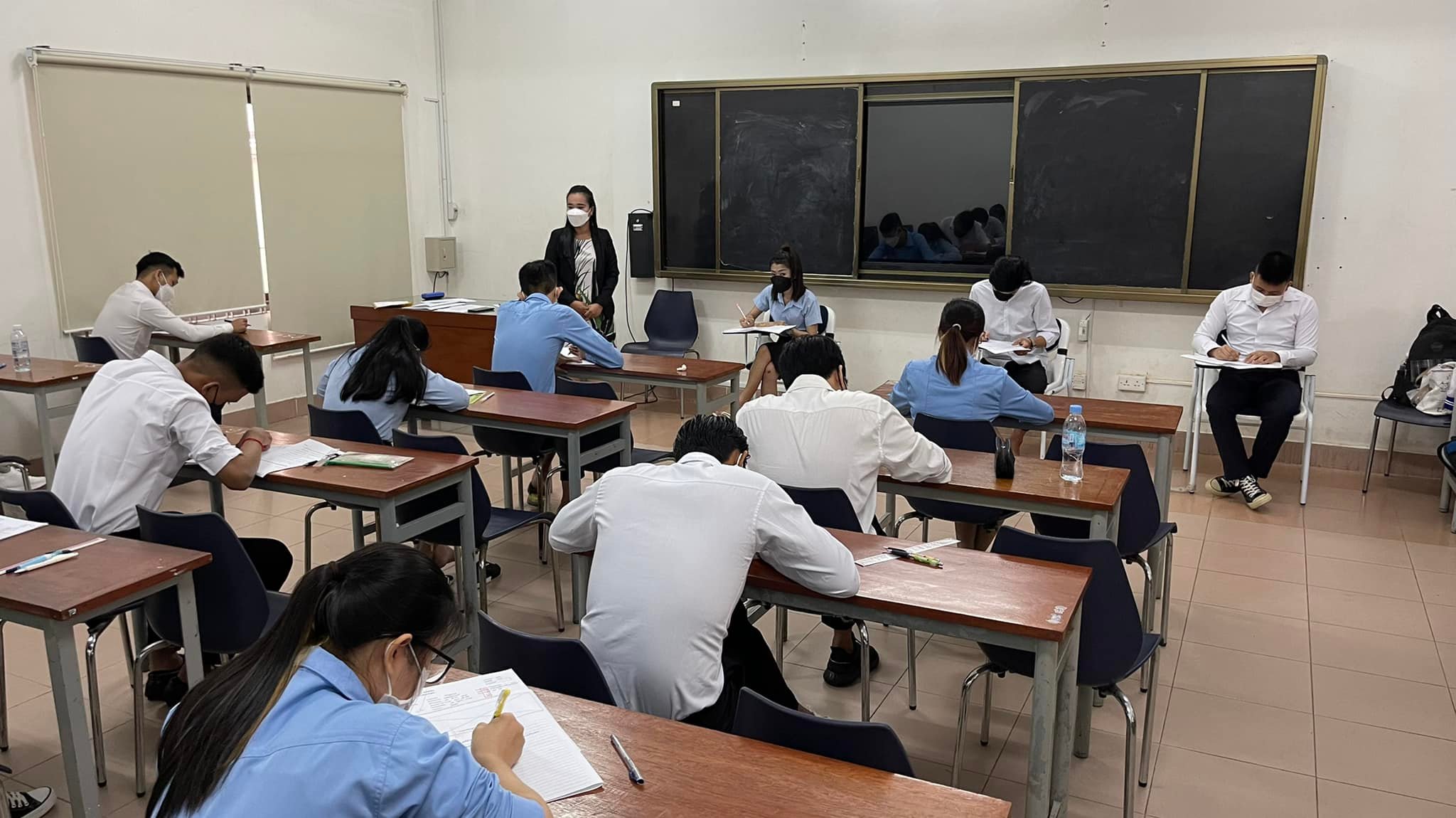
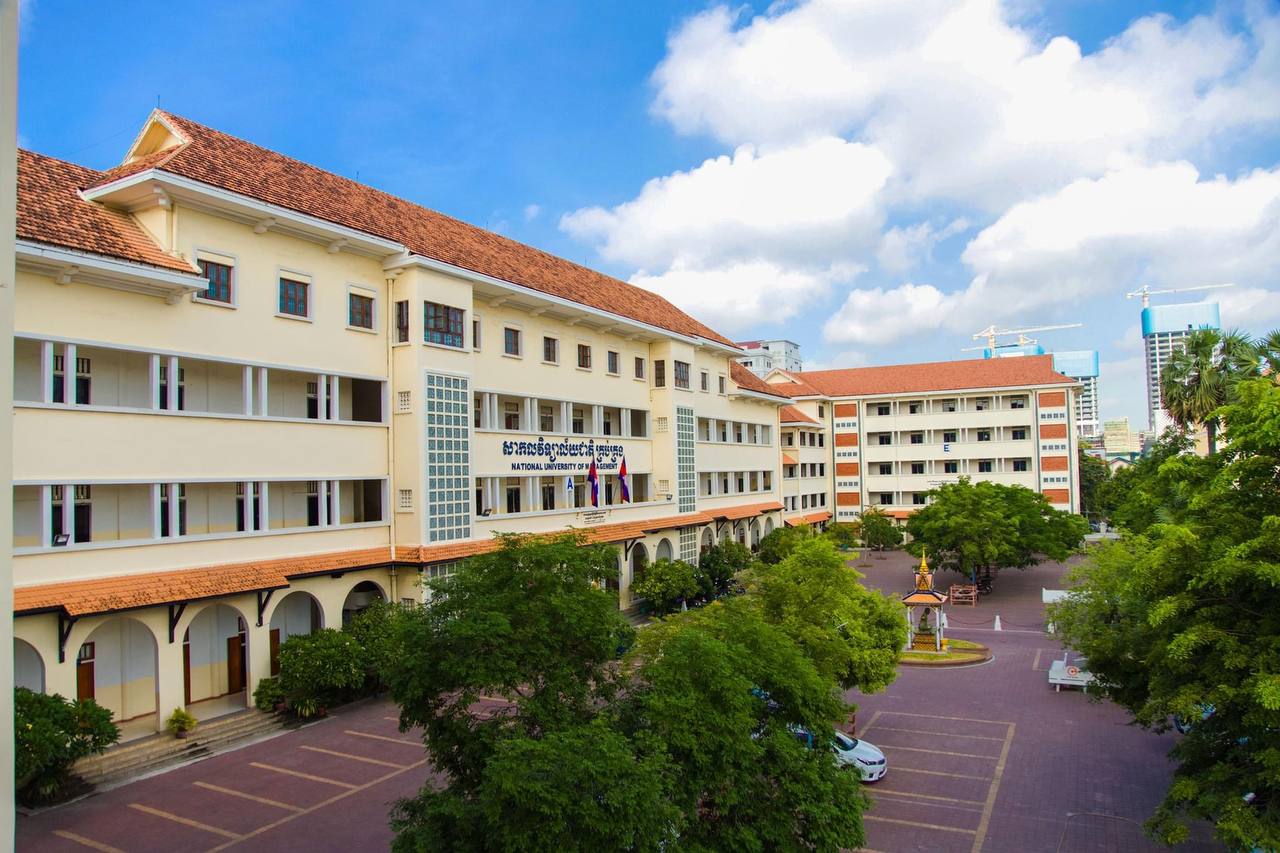
Talking about the classroom, it’s all spacious and clean with cooling systems, high-quality smart tv and a slide projector. They are all frequently cleaned so no need to worry about your health and hygiene. Besides that, all the professors will care about your well-being and education and they are all intelligent and mostly graduated from abroad.
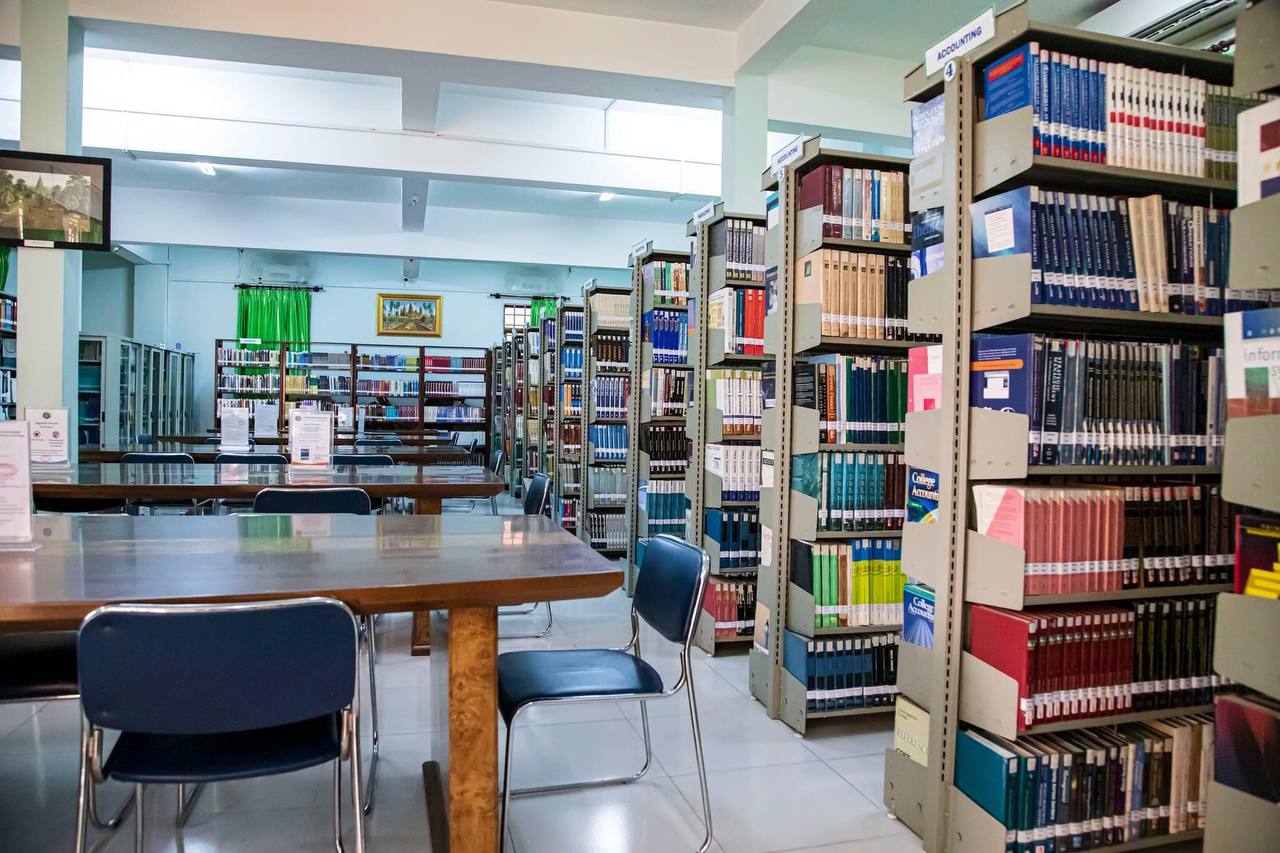
As we all know, a library is a place where a collection of books are placed. Therefore, our NUM’s library has many types of different books like for researching purposes, study purposes and even more you can find any novels that fit your interest. Moreover, it’s the most peaceful place with many decent modern air conditioners and many lights on so you can attentively and calmly study.
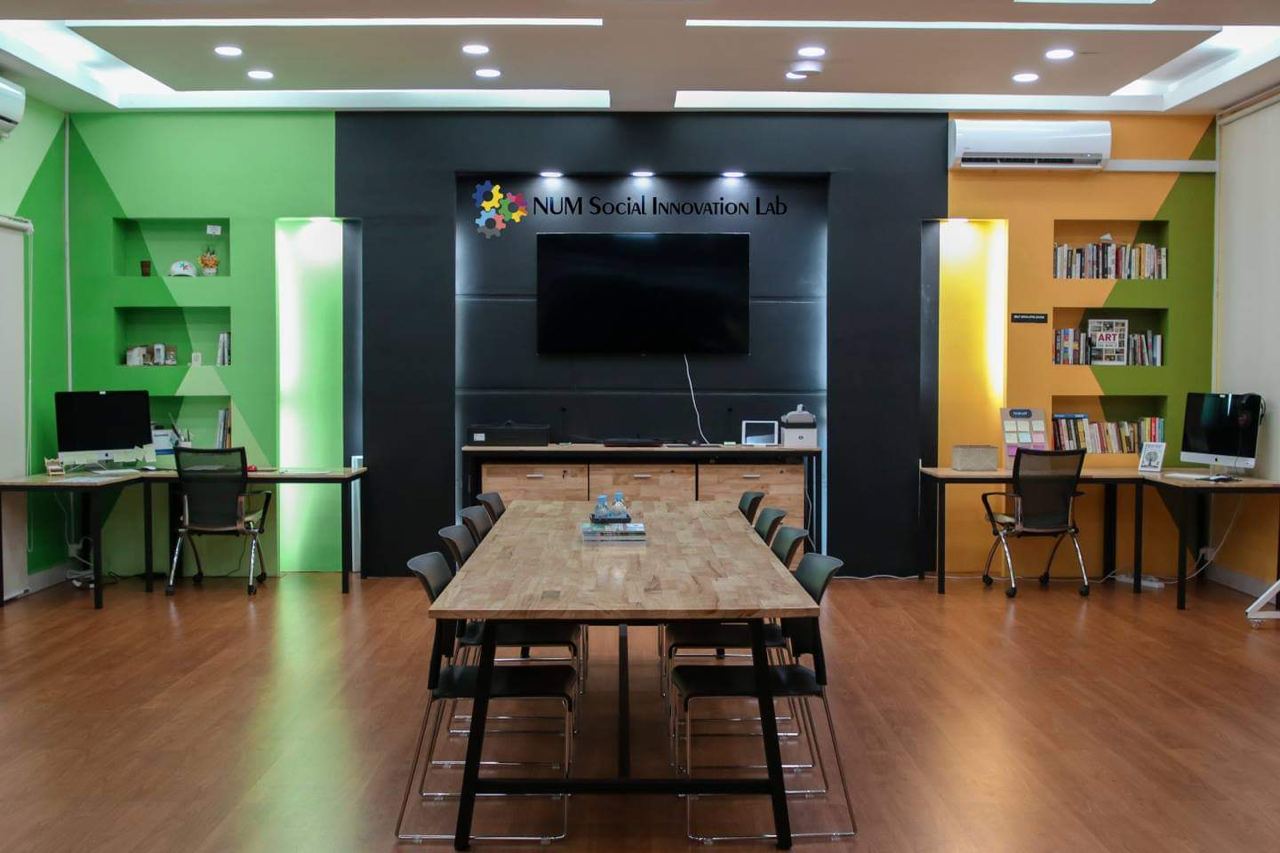
We also have an innovation lab which is a place where we can do big group projects. It also serves as both a space for seminars and interactive workshops on topics related to social innovation and entrepreneurship and also as an incubator to help develop and launch new social ventures.
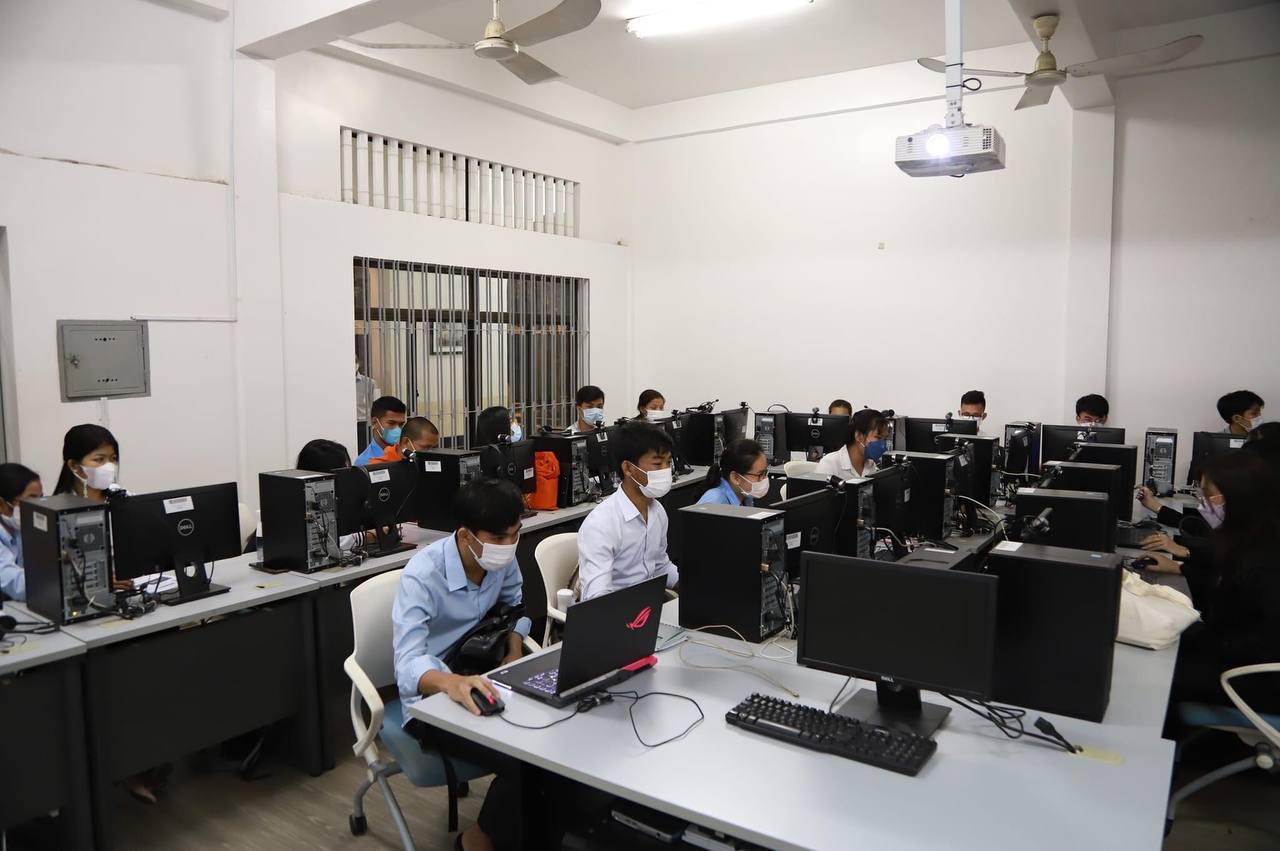
Additionally, a computer lab is a digital place where many advanced computers and high speed internet service are provided. What’s more is that a larger screen tv with smart function is available too and it’s all free as long as you are a NUM’ students.
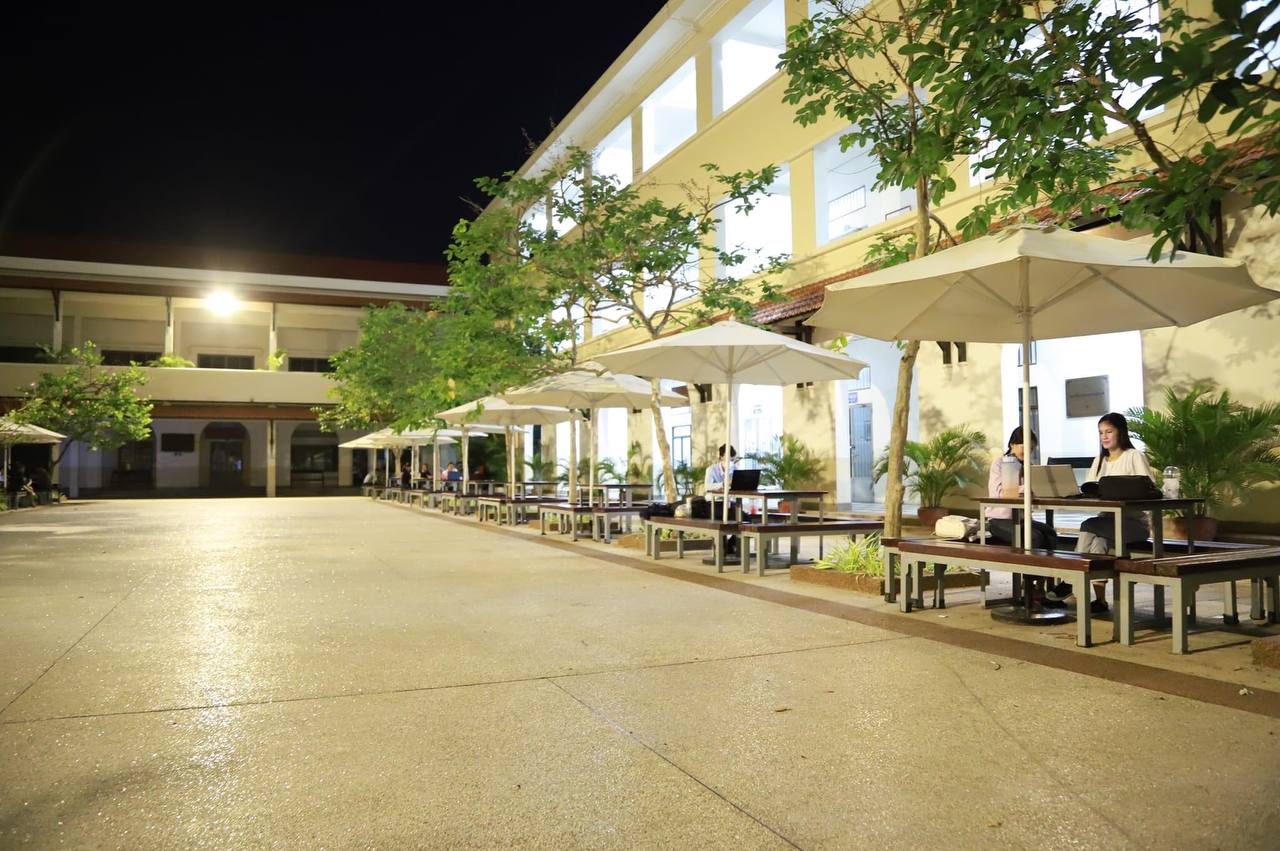
The Num Green Park is a lively place for students to unwind from their stressful study. There are many wooden benches where you can do work like group assignments, self-study or you can just hang out with your friends and relax. On top of that, it’s located near a 24/7 mart so you can purchase foods to eat there.
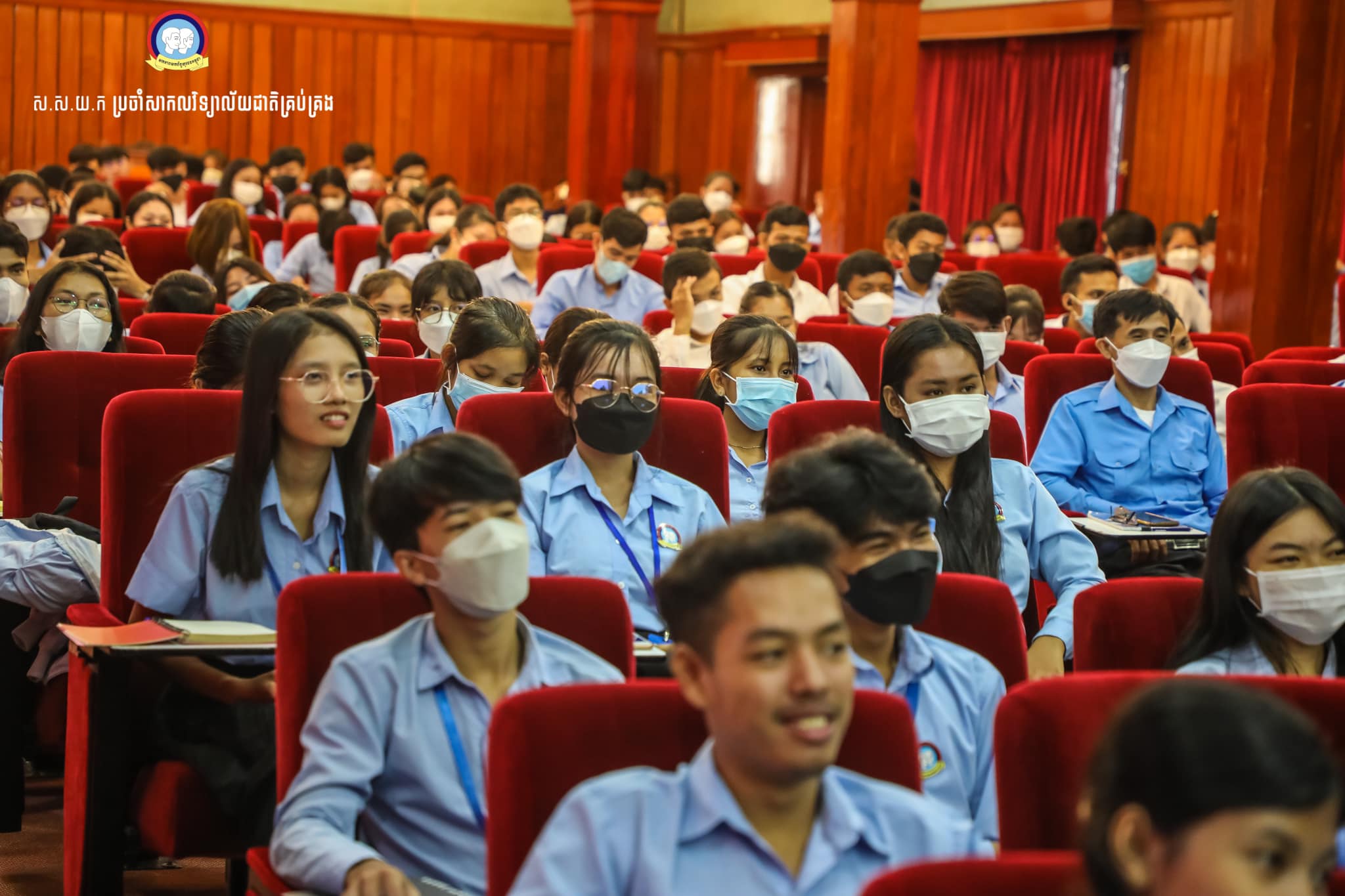
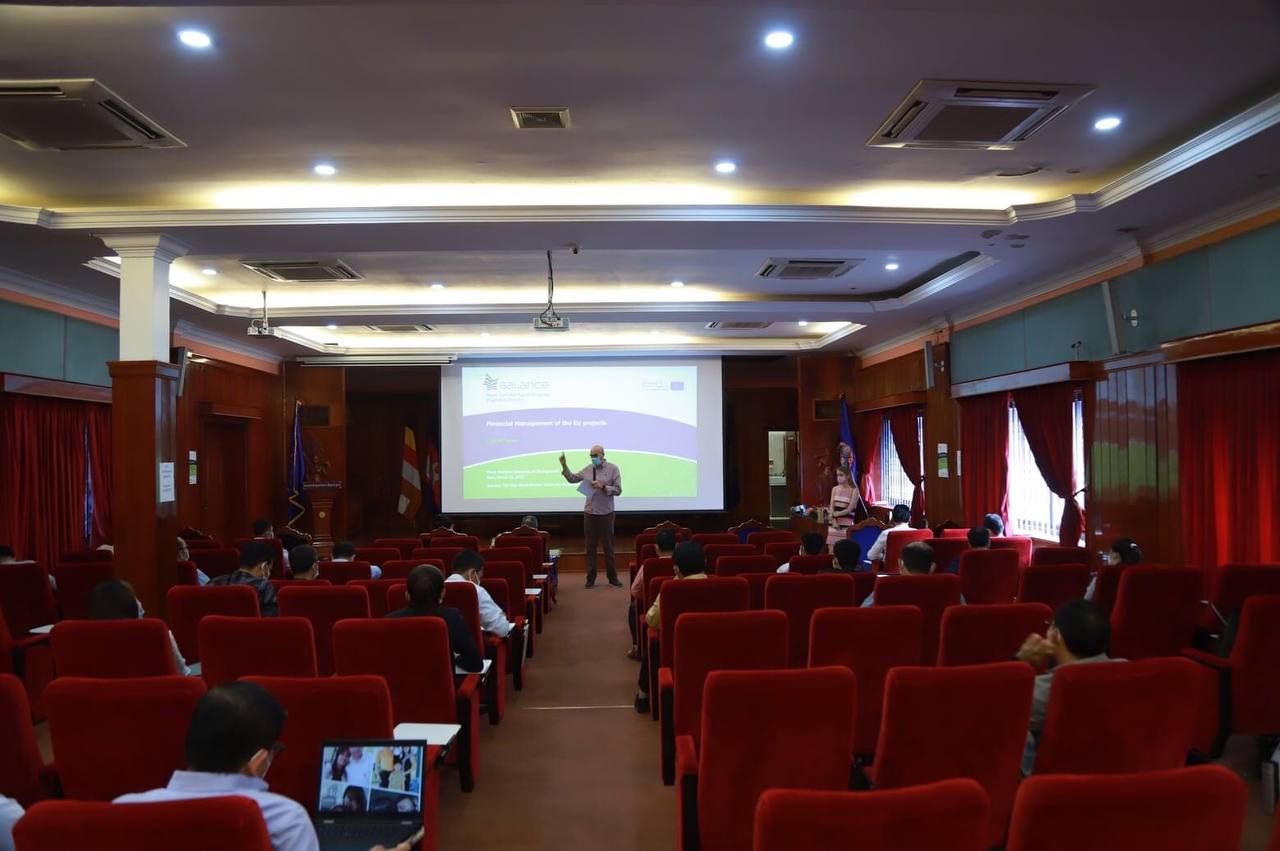
Our school regularly hosts various workshops there for students to participate in. It mostly collaborates with different organizations, corporations and partnered-universities as they come to promote or lecture about their goals or experiences so students can freely get educated.
| First Year | Course | Credit |
|---|---|---|
| Semester 1 | Microeconomics | 3 |
| Mathematics for Business and Economics | 3 | |
| Critical Thinking | 3 | |
| Introduction to Computer Science | 3 | |
| Digital Economy | 3 | |
| Semester 2 | Apps Development I | 3 |
| Statistics for Business and Economis | 3 | |
| Macroeconomics | 3 | |
| Academic Writing and Basic Research | 3 | |
| Introduction to Digital Economy | 3 | |
| Second Year | Course | Credit |
| Semester 3 | Law & Public Policy for Business | 3 |
| Apps Development II | 3 | |
| Sustainable Cities | 3 | |
| Fundamentals of Finance | 3 | |
| Development Economics | 3 | |
| Semester 4 | Research Methology | 3 |
| Apps Development III | 3 | |
| Enviromental Science | 3 | |
| Introduction to Financial Technology | 3 | |
| International Trade and Finance | 3 | |
| Third Year | Course | Credit |
| Semester 5 | Data Management | 3 |
| Internet of Things | 3 | |
| Information System & Innovation in Smart Cities | 3 | |
| Financial Markets and Regulations | 3 | |
| E-commerce | 3 | |
| Semester 6 | Quantitative Analysis Using STATA | 3 |
| Business Start-up | 3 | |
| Security Management & Date Privacy | 3 | |
| Financial Risk and Insurance | 3 | |
| E-Logistic Management | 3 | |
| Fourth Year | Course | Credit |
| Semester 7 (Digital Economy) | Research Seminar | 3 |
| Growth Theory | 3 | |
| Macro-economic Modelling (Computable General Equilibrium) | 3 | |
| Artificial Interlligence | 3 | |
| Public Finance in Digital Age | 3 | |
| Semester 7 (Smart City) | Research Seminar | 3 |
| Social Media & Organization | 3 | |
| Geospatial Analytics for City Planning | 3 | |
| Social Analystics for Smart Living | 3 | |
| Smart City Systems and Management | 3 | |
| Semester 7 (Fintech) | Research Seminar | 3 |
| Fintech Personal Finance and Digital Payments | 3 | |
| Financial Modelling | 3 | |
| Retail Banking, technology and Operations | 3 | |
| Investment Management | 3 | |
| Semester 8 | Thesis Writing | 3 |
| Internship | 3 |